What's Included in Sagaponack
- Content Restoration
- Humidity Control
- Water Mitigation
- Structural Drying
- Basement Water Removal
- Moisture Mapping
- Sewage Cleanup
- Appliance Leak Cleanup
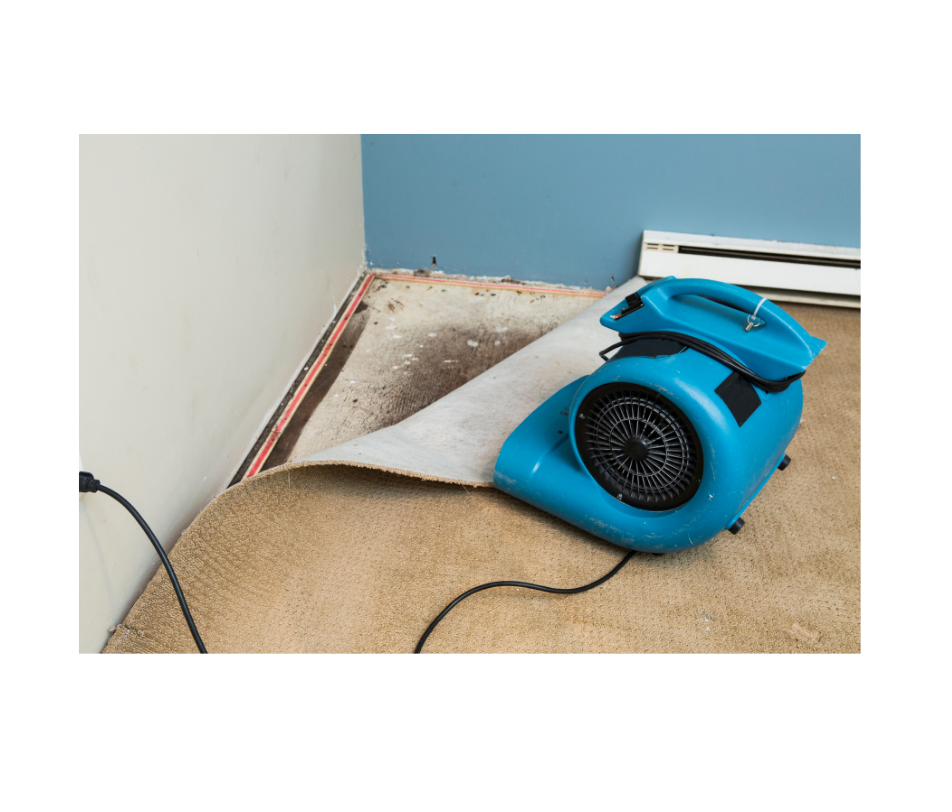
When water gets into a Sagaponack home, the first hours matter most. Crews extract standing water and begin structural drying right away. Referral hotline: your call is routed to a licensed, insured local restoration company.
Call 631-815-7954
Sagaponack, on the East End, borders or sits near Wainscott, Sag Harbor and East Hampton. During Hurricane Sandy, the dunes at Sagaponack eroded sharply.
With so many seasonal residents, caretakers and neighbors are often the ones who find the damage. Oceanfront and bayfront properties deal with erosion, wave action, and storm surge, which can push water into lower levels and garages. Reopening a closed-up house in spring is a common moment for a hidden supply-line failure to show itself.
In practice, crews in Sagaponack focus on stopping the source, removing standing water quickly, and drying structure and contents to acceptable moisture levels.
Nearby areas served include Wainscott, Sag Harbor and East Hampton. Crews also handle fire and smoke damage in Sagaponack and mold remediation in Sagaponack.
Safety depends on contamination and electrical conditions. Crews assess the situation and advise on whether to stay.
Drying time varies with the extent of water, the materials, and conditions, and it is monitored until moisture readings reach normal levels.
Call as soon as it is found, shut off the water if you can do so safely, and photograph everything. Damage in an empty house has often been spreading for a while.
A backup is sewage, not clean water, so crews contain the area, remove affected materials, and sanitize. Coverage for sewer or septic backup varies by policy, so ask your carrier.
Most policies cover sudden, accidental water damage such as burst pipes or appliance failures, while gradual leaks and flood coverage depend on the policy. Crews document the loss and can work directly with your carrier.